Minoxidil vs Finasteride
These are the two best-known hair-loss treatments, and they work in completely different ways. Understanding the difference makes the conversation with your doctor far easier.
They're not competitors: minoxidil supports growth, finasteride targets the hormone behind pattern loss. Many men use both — but finasteride is prescription-only and the decision belongs with a doctor.
Two different jobs
Minoxidil works on the follicle directly, keeping hairs growing for longer. Finasteride works upstream, lowering the hormone that slowly shrinks follicles in male pattern hair loss. One supports growth; the other slows the underlying process.
Side effects, honestly
Minoxidil's common downsides are scalp irritation and a temporary shed in the first weeks. Finasteride can cause hormonal side effects in a minority of men, which is exactly why it requires a prescription and a doctor who knows your history.
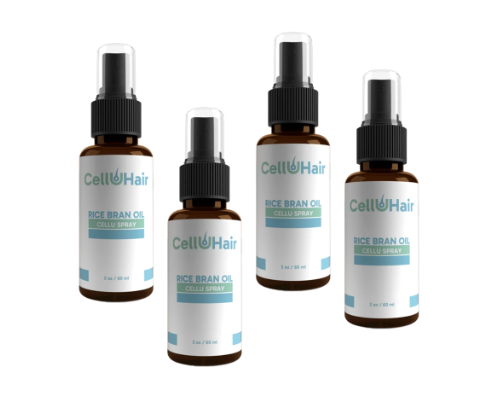
CelluHair Spray. A rice-bran-oil and rosemary hair spray with biotin and keratin for daily scalp care. It's cosmetic hair care, not medicine — if you're genuinely thinning, see a dermatologist first.
Affiliate link — we may earn a commission at no cost to you.
Why many men combine them
Because they act on different mechanisms, dermatologists often use them together. Whether that's right for you depends on how advanced your hair loss is and your medical history.
Start early
Both treatments are far better at keeping hair than bringing it back. The single biggest factor is starting early — so if you notice thinning, book the appointment now rather than in a year.
- You want to start with a non-prescription option
- Your main concern is density on top or the crown
- You'd rather avoid oral medication
- Your doctor confirms male pattern hair loss
- You want to address the underlying hormone
- You're comfortable with medical follow-up
Questions
CelluHair Spray · $69
A rice-bran-oil and rosemary hair spray with biotin and keratin for daily scalp care. It's cosmetic hair care, not medicine — if you're genuinely thinning, see a dermatologist first.
Affiliate link: if you buy through it we may earn a commission, at no extra cost to you. It doesn't change what we recommend or what we write here.
Educational information only — not medical advice. For prescription treatments, talk to a doctor.